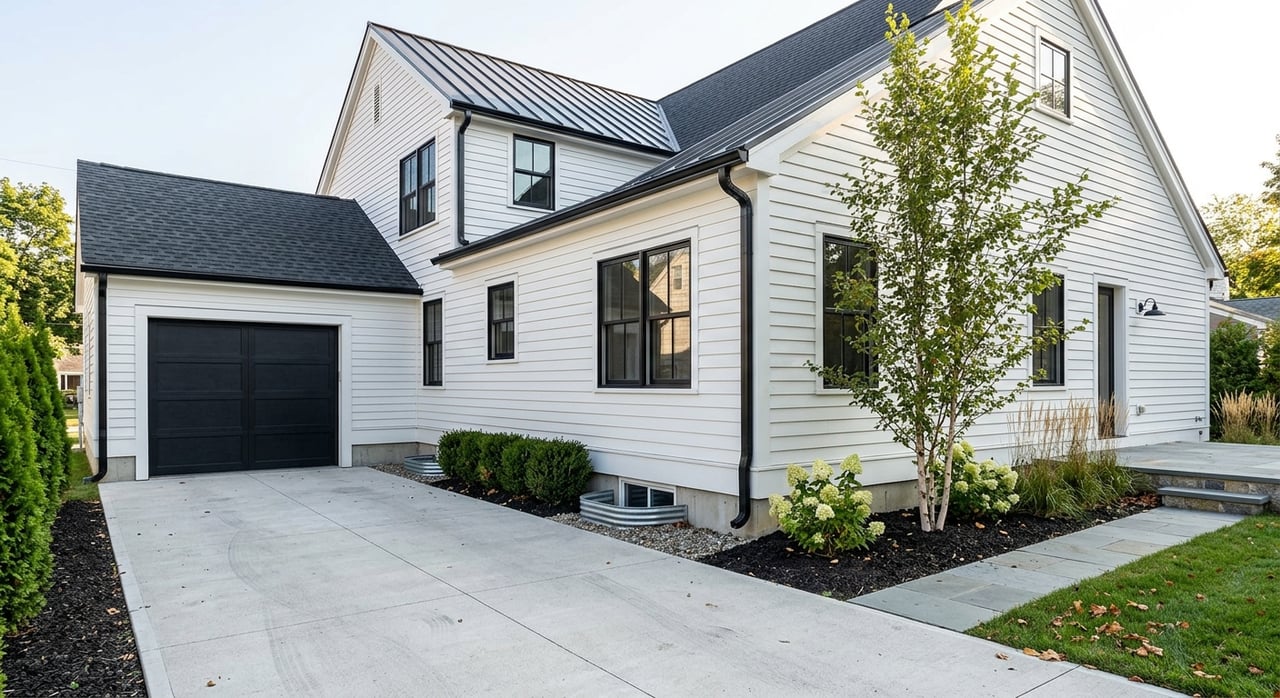
Buying in Natick is not just about finding the prettiest kitchen or the right number of bedrooms. In a town where much of the housing stock was built decades ago, the smarter question is often what a home can become, not just what it looks like today. If you want to avoid surprises and make a more confident decision, a builder’s eye can change the way you search from day one. Let’s dive in.
Why a builder’s eye matters in Natick
Natick is a mature, high-value market with a large share of owner-occupied homes. Census data reports a 68.2% owner-occupied rate and a median owner-occupied housing value of $821,000. That alone raises the stakes when you are choosing where to invest your money.
The age of the housing stock matters just as much. Natick planning materials state that 58% of the town’s housing stock was built before 1960, while only 4% was new as of the 2021 housing production plan. That means many buyers are not choosing between old and new, but between different levels of future repair needs, layout flexibility, and expansion potential.
A builder-informed home search helps you compare homes on more than surface appeal. You are looking at current livability, future adaptability, and whether your long-term plans are realistic for that property. That shift can save you time, money, and frustration.
What changes at a showing
When you walk through a house with a builder-minded lens, you notice different things. Instead of focusing only on finishes, you start asking whether the home is a cosmetic update, a manageable remodel, or a deeper project.
Natick’s Building Department oversees construction, reconstruction, alteration, repair, demolition, inspections, permit issuance, safety, ingress and egress, energy conservation, sanitary conditions, fire safety, and zoning enforcement. The town also states that it follows the 2021 Stretch Code. In practical terms, that means future work is not just about design ideas. It also involves code, permitting, and feasibility.
That perspective helps you look past what is staged well and focus on what could affect your budget and timeline later. It is one of the clearest ways to reduce avoidable surprises after you go under contract.
Layout matters more than décor
A fresh paint color is easy to change. A layout that fights your daily life is harder and more expensive to fix. During a showing, one of the first questions is whether spaces can be reconfigured without major structural work.
That might mean looking at whether a kitchen can open more easily to living space, whether a first-floor office is realistic, or whether the bedroom layout supports how you plan to live in the home. Two houses with similar square footage can offer very different renovation paths.
Basements and attics tell a story
In Natick, older homes often come with unfinished or partly finished lower levels and attic spaces. A builder’s eye looks at whether those areas appear finishable without major moisture issues or code-related obstacles.
That does not mean guessing at permits during a showing. It means identifying whether a space seems promising enough to investigate further before you build your whole plan around it.
The lot can be as important as the house
A home’s future is not just shaped by the structure itself. The lot, the setbacks, and the placement of the home on the parcel all affect what you may be able to do later.
If you think you may want an addition, a detached structure, or more flexible use over time, lot configuration becomes a major part of the conversation. A beautiful house on a constrained lot may offer less long-term flexibility than a less polished home with better siting.
Natick zoning can change the shortlist
One of the biggest advantages of a builder-informed search is that it helps you avoid assuming that every property offers the same future options. In Natick, residential districts vary significantly.
The zoning table lists different minimum lot areas depending on district, including 15,000 square feet in RSA, 20,000 in RSC, 40,000 in RSB, and 12,000 in RG. Setback and coverage limits also vary. For buyers, that means similar-looking homes may have very different expansion potential.
This is where many home searches become more strategic. Instead of asking only, “Do I like this house?” you start asking, “Will this property still work for me in five or ten years?”
Additions are not just about square footage
If you plan to add on later, zoning rules can shape what is realistic. A home may have enough interior need for more space, but the lot may not support the addition you have in mind.
Setbacks, building coverage, and district-specific requirements all matter. The earlier you identify those limits, the easier it is to avoid overvaluing a property based on plans that may not be feasible.
Accessory structures have limits too
Natick’s zoning rules also affect accessory buildings. The town states that accessory buildings cannot be placed in the front-yard area and generally must remain at least 10 feet from side and rear lot lines. They also count toward building coverage.
For a buyer thinking about a detached office, studio, or other accessory structure, those details matter. The lot may appear large enough at first glance, but the usable space may be more limited once setbacks and coverage rules are considered.
ADU potential needs verification
Accessory dwelling units are part of many buyers’ long-term planning conversations. You may be thinking about space for extended family, guests, or future flexibility. In Natick, that conversation needs to be grounded in the current local rules.
The town’s ADU page says ADUs are permitted as of right but still require permitting. It also states that one lot may have more than one ADU only by special permit, parking cannot be required within a half-mile of a commuter rail station, and existing illegal ADUs remain illegal until approvals are granted.
There is an important extra layer here. Natick’s June 2025 zoning-bylaw PDF marks the ADU section as pending Attorney General approval, so buyers should verify the current status with the Building Department before relying on ADU potential in a purchase decision. That is exactly the kind of detail a builder-informed search is meant to surface early.
Wetlands and historic review can affect plans
Some of the biggest surprises for buyers happen when a project looks simple on paper but runs into site or review constraints. In Natick, wetlands and historic review are two key examples.
The Conservation Commission FAQ states that work in wetland areas may need approval, and a home-improvement project inside the 100-foot buffer zone will most likely need Conservation Commission approval. The town’s wetland regulations also say that larger projects in that buffer zone may require a Notice of Intent.
Historic review can add another layer. Natick’s Historic Districts page states that exterior changes in a historic district require Historic District Commission approval. If your future plans include additions, exterior updates, or visible structural changes, that review process may affect timeline, design, and cost.
Why this matters before you offer
These issues are not minor fine print. They can change whether a project is straightforward, delayed, more expensive, or not realistic at all.
A builder-informed approach helps surface those questions before you become emotionally committed to a property. That does not mean every older home is a problem. It means you are making decisions with fuller context.
A better search means fewer surprises later
Natick’s permitting page makes it clear that multiple offices may be involved in a project. The town uses an online permitting portal, and its Development Review Team includes Building, Community and Economic Development, Conservation, DPW, Fire, Police, and Sustainability staff who meet with applicants before and after submission.
For buyers, that means future work may involve more coordination than expected. A builder’s eye is valuable because it helps you anticipate the likely permit path, potential code upgrades, and the real scope of work before you treat a home as a simple weekend project.
This approach is not about turning every showing into a construction meeting. It is about asking smarter questions early, narrowing your shortlist more effectively, and protecting your options after closing.
What this means for Natick buyers
If you are buying in Natick, especially in a competitive price range, it helps to judge each home on three levels at once:
- How well the home works for you today
- How easily it may adapt to your future needs
- Whether local zoning, permitting, wetlands, or historic review could limit those plans
That framework can make your decision more practical and less emotional. It also helps you compare homes that may seem similar online but offer very different long-term value.
What this means for Natick sellers
This same lens can help sellers, too. A property’s value is not always explained by finishes alone. In Natick, land characteristics, layout flexibility, and permit potential can be important parts of the story.
If your home has favorable lot positioning, useful expansion potential, or features that support future adaptability, those details can help buyers understand the opportunity more clearly. A builder-informed marketing strategy can present the home in a more complete and useful way.
If you want practical guidance on buying or selling with a builder-informed perspective in Natick, Barber Real Estate can help you evaluate homes with long-term value, feasibility, and fewer surprises in mind.
FAQs
How does a builder’s eye help when buying a home in Natick?
- It helps you evaluate not just the home’s current condition, but also its layout flexibility, likely future project scope, and whether local zoning or permitting rules could affect your plans.
Why is Natick’s older housing stock important for buyers?
- Town planning materials say 58% of Natick’s housing stock was built before 1960, which means many homes may require buyers to think about updates, capital needs, and future adaptability.
Can every Natick home be expanded with an addition?
- No. Expansion potential depends on factors like zoning district, lot area, setbacks, building coverage, and how the home sits on the lot.
Are ADUs allowed in Natick?
- Natick’s ADU page says ADUs are permitted as of right but still require permitting, and buyers should verify the current bylaw status with the Building Department before relying on ADU potential.
Do wetlands affect home improvement plans in Natick?
- Yes. The town states that work in wetland areas may need approval, and projects within the 100-foot buffer zone will most likely need Conservation Commission approval.
Do historic districts affect exterior changes in Natick?
- Yes. Natick states that exterior changes in a historic district require Historic District Commission approval, which can affect design choices, timeline, and feasibility.