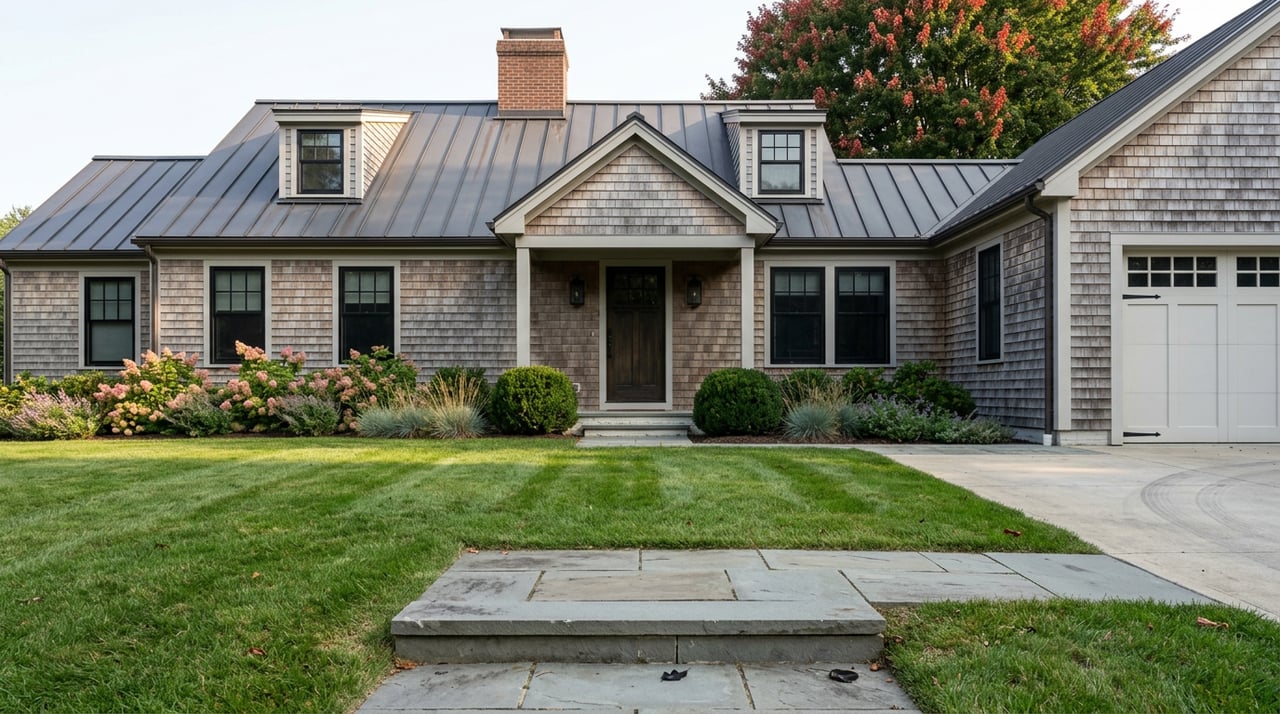
If you pulled up Framingham's neighborhood-level home price data this spring, you'd have seen numbers that look like a correction. Downtown Framingham's median sale price sat at $545,000 in March 2026, down 43.3 percent from the year before. Saxonville's median was $612,250, down 22.5 percent over the same stretch. North Framingham, the highest-priced pocket in town, was off 10.5 percent.
Meanwhile the city as a whole barely moved. Framingham's overall median sale price was $675,000 in February 2026, up 1.7 percent year over year. A separate tracker put the March citywide median at $728,000, essentially flat. A buyer scanning village-level numbers and a buyer scanning the citywide number would walk away with two completely different stories about the same town in the same season.
Only one of those stories is reliable, and it's not the one with the scarier percentages.
The Math Behind the "Crash"
Framingham sold 37 homes citywide in March 2026, and 29 in February. Spread across a city with roughly a dozen distinct villages, that means each individual neighborhood is often seeing single digits to low teens in monthly closings. When your sample size is that small, one unusually expensive sale or one unusually cheap one doesn't get averaged out. It becomes the story.
Look at Framingham Center alone this past spring. On April 29, 2026, a home at 2 Grove Street closed at $859,500. The next day, a home at 7 Little Tree Lane closed at $690,000. Two days before that, a condo at 575 Union Avenue closed at $380,000. Back in late February, a home at 63 Kellogg Street closed at $815,000 after 76 days on the market. Four sales, one neighborhood, roughly two months, and a spread from $380,000 to $859,500. Run any three of those four through a median calculation and you'll get a wildly different number depending on which one you drop.
That's the mechanism. It isn't that Downtown Framingham or Saxonville got cheaper by double digits. It's that a handful of transactions, in some cases involving very different property types selling in the same window, can swing a small-sample median further than the underlying market actually moved.
What Each Village's Number Was Actually Built From
| Village | Reported Median (as of Mar. 2026) | Reported YoY Change | What's Actually There |
|---|---|---|---|
| Downtown Framingham | $545,000 | down 43.3% | Condos and multifamily near the MBTA stop, mixed with two breweries and a cluster of cafes and specialty retail |
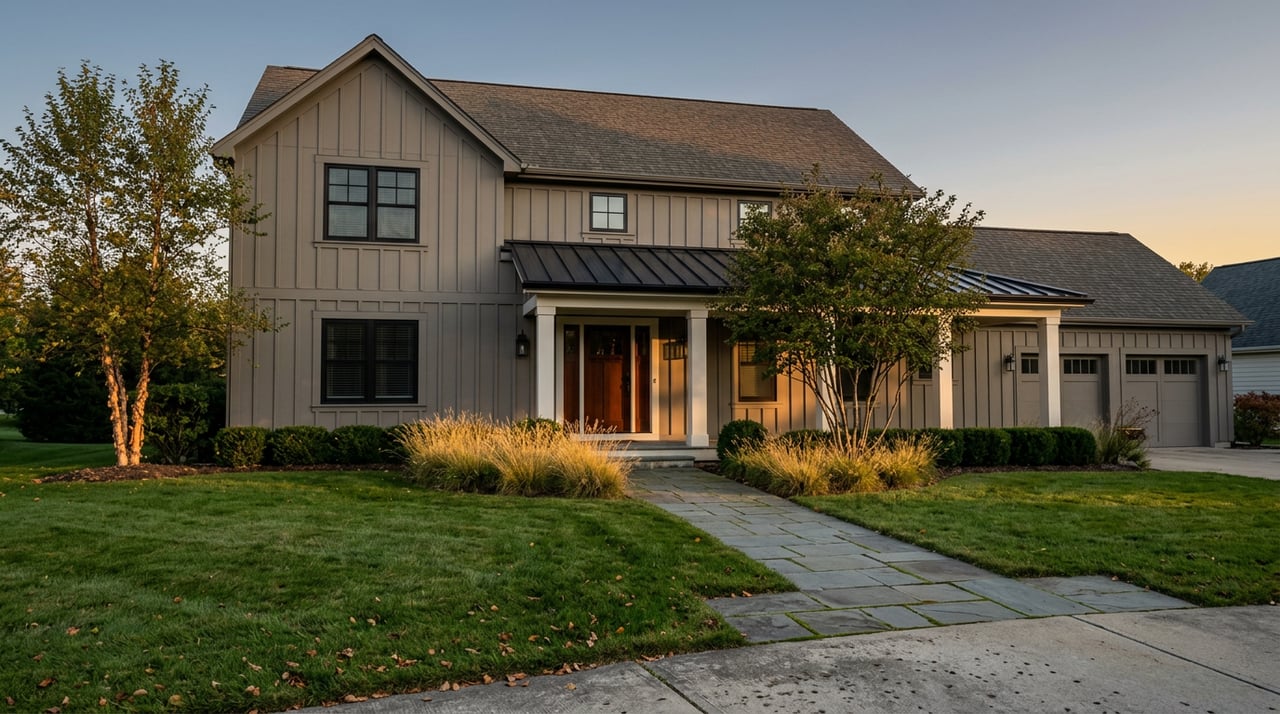
| Saxonville | $612,250 | down 22.5% (one tracker; a separate tracker showed closer to 11%) | Mill-district Colonials, post-war ranches, and modern farmhouse remodels on quarter- to half-acre lots near the Sudbury River |
| North Framingham | $738,000 | down 10.5% | Larger lots, newer construction, the highest price point in town |
| Framingham citywide | $675,000 | up 1.7% (Feb. 2026) | All of the above, blended |
The disagreement between trackers on Saxonville's exact swing is itself a clue. If two data sources can't agree on whether a neighborhood's median fell 11 percent or 22 percent, the number isn't precise enough to plan a purchase or a sale around.
The Indicators That Actually Track With the Market
Citywide, the more stable numbers tell a calmer story. As of spring 2026, Framingham had about 91 active listings, homes were going under agreement in 18 to 25 days depending on the tracker, and sellers were closing at 101 to 103 percent of list price. Months of supply sat at 1.8, down slightly from 2.7 a year earlier. By July, one tracker showed the median list price at $699,000 with a price per square foot of $358, a modest single-digit dip from the year before, not a double-digit one.
None of that lines up with a market in free fall in any one corner of town. It lines up with a market that's tight, fast, and largely stable, with individual neighborhoods occasionally producing noisy headline numbers because of how few sales they're built on.
If you're comparing villages, price per square foot and days on market tend to hold up better than a trailing median, precisely because they're less distorted by one or two unusual closings. A neighborhood where homes are still moving in under 30 days and still closing near list price is not a neighborhood in decline, whatever its year-over-year median claims.
What Each Village Actually Is
The village-level noise matters less than the village-level character, which is the part a portal chart can't show you.
Saxonville centers on the old Saxonville Mills complex, listed on the National Historic Register, sitting along the Sudbury River. The paved, flat Cochituate Rail Trail runs through the area along with the Carol Getchell Nature Trail, and Winch Park abuts Framingham High School with athletic fields, tennis courts, and a basketball court. Saxonville Beach sits on Lake Cochituate nearby. The housing stock mixes post-war ranches, Colonials, and updated farmhouses on lots that typically run a quarter to a half acre.
Nobscot is anchored by Nobscot Village at the intersection of Edgell Road and Water Street, with a suburban, family-oriented feel and easy access to Nobscot Park, Garden in the Woods, Callahan State Park, and the Boy Scout reservation at Mount Nobscot.
Downtown Framingham is built around the MBTA stop at 417 Waverly Street, inside a station building designed by architect H. H. Richardson, built in 1884 and 1885 and later listed on the National Register of Historic Places. The district today includes two breweries, cafes, and a run of specialty retail and ethnic restaurants along the ground floors of its historic buildings. The MBTA has targeted 2026 for "30-30" service on the Framingham/Worcester Line, meaning trains running all day, every 30 minutes, in both directions between Framingham and Boston, with express service continuing on to Worcester.
North Framingham and the Edgell Road corridor sit at the other end of the spectrum. Larger lots and newer construction dominate, and heading north on Edgell the setting turns more rural, with working farms and horse properties. Framingham Center, nearby, centers on the town common and blends colonial-era homes with the presence of Framingham State University, sitting between the density of Downtown and the quiet of Nobscot.
These are not four flavors of the same neighborhood. They're four different housing markets that happen to share a mailing city, which is exactly why a single blended median, or a single village's noisy median, tells you less than the character of the street you're actually considering.
If You're Comparing Framingham's Villages Right Now
A few habits make the comparison more honest than a portal screenshot:
- Ask for the actual number of comparable sales behind any village-level median you're shown. If it's under ten, treat the year-over-year percentage as a rough signal, not a fact.
- Track price per square foot over several months rather than a single year-over-year snapshot. It smooths out the effect of one unusually large or small home closing.
- Weigh days on market and sale-to-list ratio alongside price. A neighborhood still selling near asking in under 30 days is behaving like a tight market no matter what its median says.
- Match the village to what you actually want day to day. Rail trail access and a walk to a coffee shop mean something different than a horse property on Edgell Road, even if both show up under the same city name.
A Couple of Questions Worth Asking Before You Compare Villages
Does a falling village median mean it's a good time to make a low offer there? Not on its own. If the underlying transaction count is small, a falling median can reflect a shift in what type of home happened to sell, not a shift in what buyers are willing to pay for a comparable one. Ask what specific homes made up that median before treating it as leverage.
How many sales does it take before a neighborhood price trend is trustworthy? There's no universal cutoff, but the fewer sales behind a number, the more a single outlier can swing it. A citywide figure built on dozens of monthly closings is far more stable than a village figure built on a handful. When in doubt, ask what the trend looks like over six or twelve months rather than one.
Framingham's villages are genuinely different places to live, and that difference is worth taking seriously when you're deciding where to buy. The percentage swings attached to any one of them this spring, on the other hand, are mostly a function of how few sales it takes to move a small number. If you're weighing Saxonville against Nobscot against Downtown against the Edgell corridor, the conversation worth having is about lot size, commute, and daily life, not about a year-over-year figure built on a handful of closings.
If you're sorting through what Framingham's villages actually offer and want a read on a specific street or a specific comp set, Barber Real Estate can walk through it with you. Schedule a free consultation.