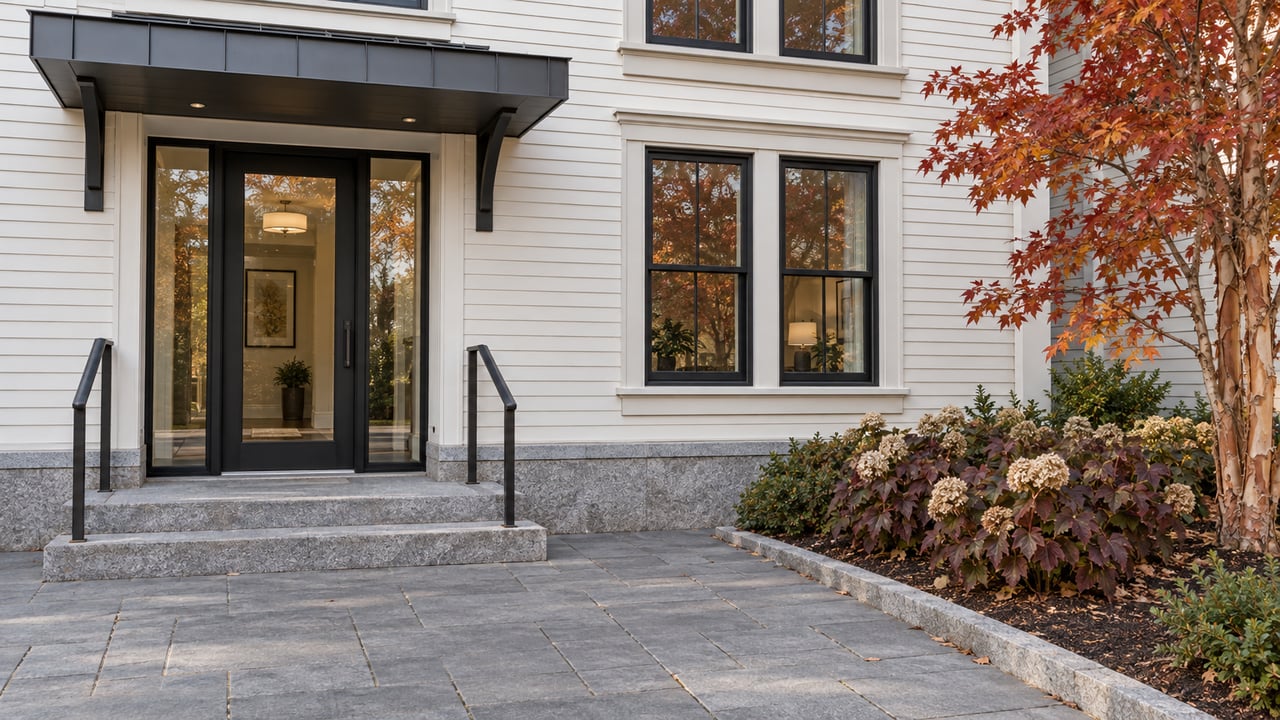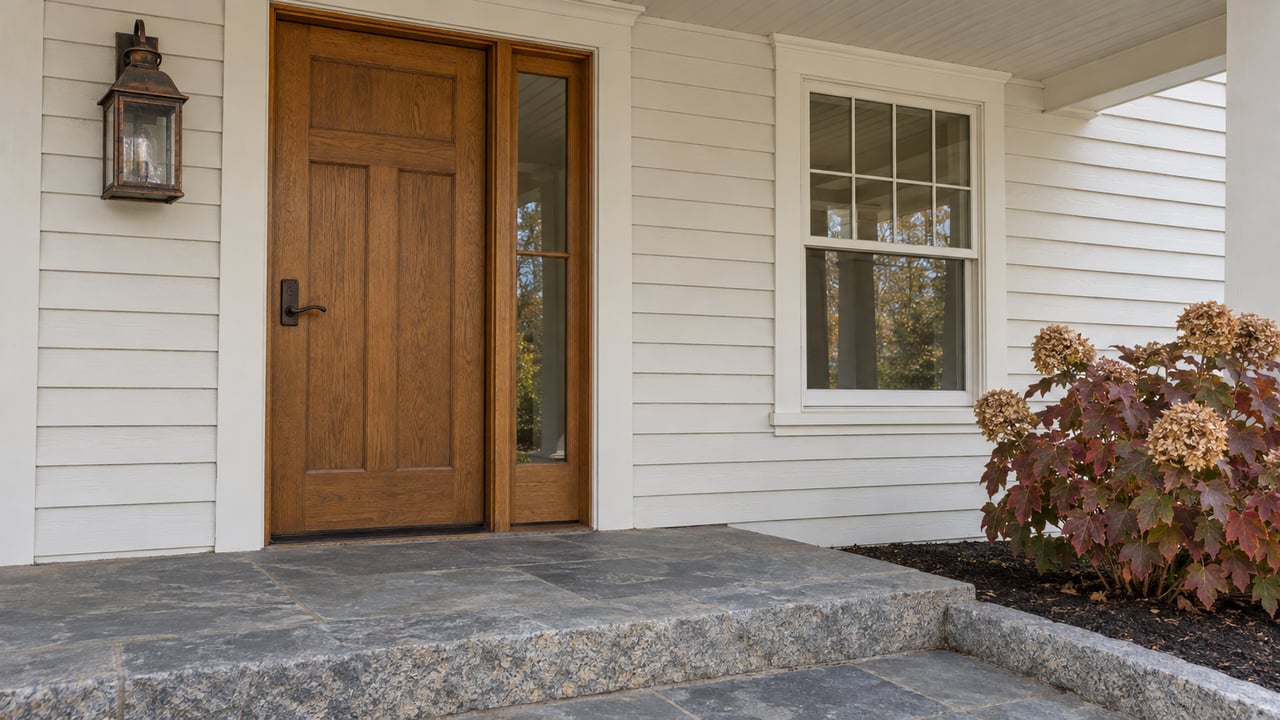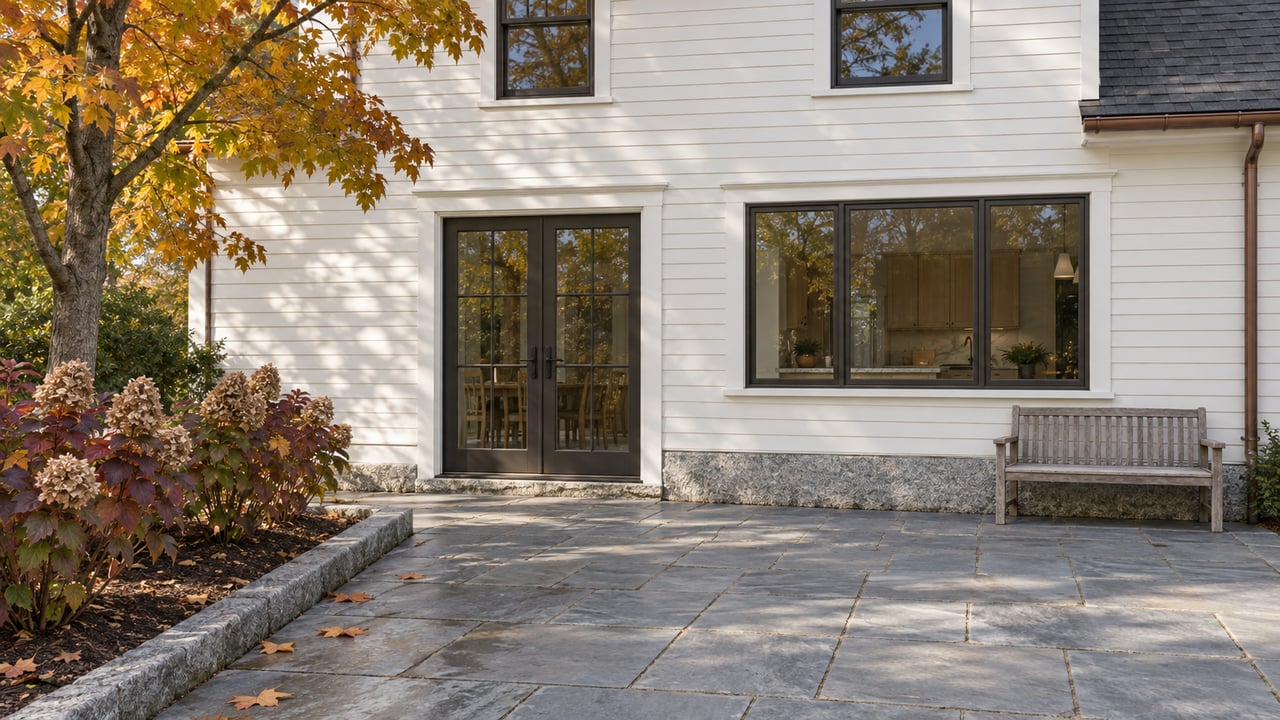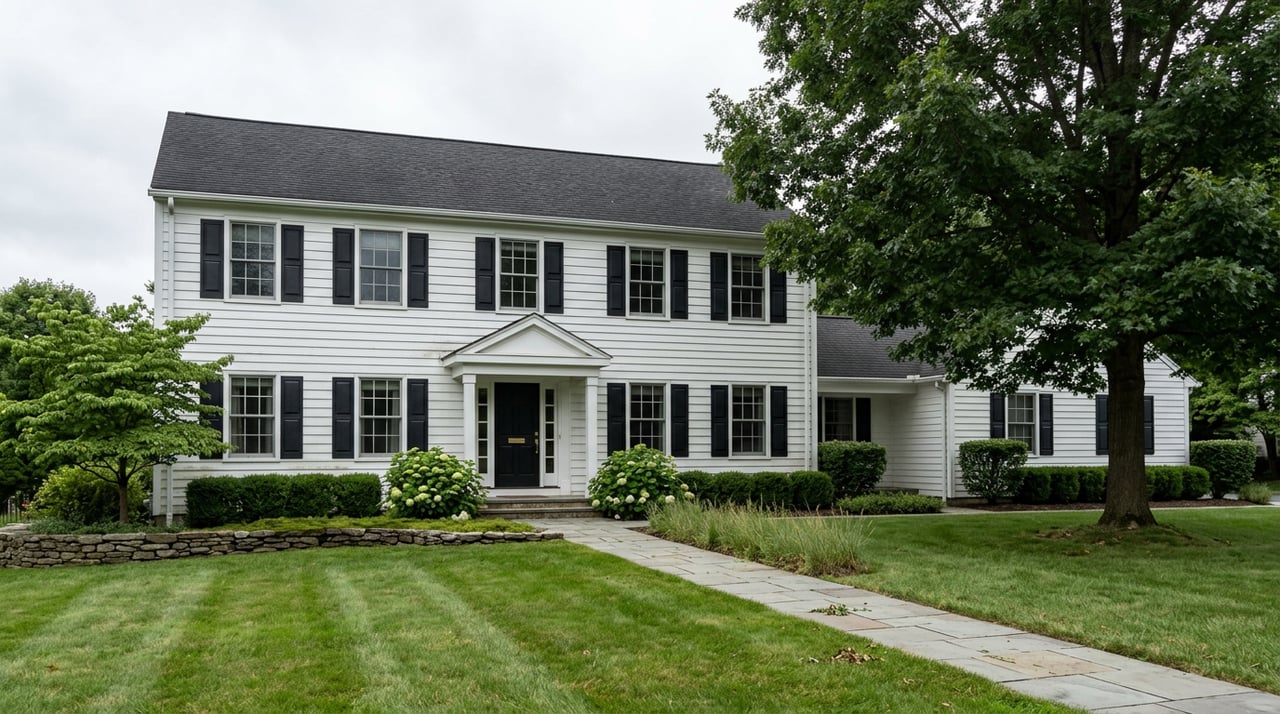
Two houses on the same street. Same lot size, same asking price range, same "great bones, needs everything" listing language. A buyer walks both of them planning to knock down and build new. One project breaks ground in four months. The other sits behind a fence for over a year before a shovel touches the dirt.
The difference usually isn't the house. It's a date stamped somewhere in the town's building record: December 31, 1949.
The Line That Decides Your Timeline
Wellesley's Historic Preservation Demolition Review Bylaw, known around Town Hall as Article 46C, became effective on August 15, 2017. The mechanics are simple to state and easy to miss when you're touring a property with a builder's eye instead of a planner's. Any home built on or before December 31, 1949 that's headed for demolition first needs an Eligibility Notice. If the Historical Commission decides the house should be "preferably preserved," the bylaw allows a 12-month delay before a demolition permit can even be issued.
A house built in 1951 skips this entirely. A house built in 1948 can trigger a year of review before the first wall comes down. Same era, same style, same buyer intent. Completely different clocks.
The town adopted this rule for a reason grounded in real numbers. In the decade before the bylaw passed, more than 614 homes were torn down in Wellesley, a pace the Historical Commission described at the time as a teardown roughly every four days. That volume is what pushed Town Meeting to act, and it's why the review process exists as something more than a formality today.
In the bylaw's first several months on the books, the Planning Department logged 37 Eligibility Notice applications. The reported figures give only a partial account. Eleven were built after the 1949 cutoff and cleared immediately. Of the 22 that were old enough to require review, 12 were found not to need preservation and 7 were deemed "preferably preserved," meaning those seven projects were looking at a 12-month wait before demolition could proceed.
What "Preferably Preserved" Looks Like in Practice
The delay isn't always the end of the story. Commission minutes from January 2025 show three separate demolition delay waivers granted in a single meeting: one for 35 Albion Road, one for 345 Linden Street, one for 71 Fairbanks Avenue. In each case, the homeowner or builder came back with a revised plan the Commission found acceptable, and the board voted to waive the remaining delay period rather than force out the full 12 months.
That's the part a lot of buyers don't understand going in. The delay is a negotiation window, not always a hard stop. A separate case reviewed by the Commission that same season involved an addition designed to echo an original diamond-patterned architectural detail from the house it was extending, a design choice specifically discussed and credited as the reason a full preservation vote wasn't necessary. The lesson for anyone eyeing a pre-1950 property here: a design that respects what the Commission is trying to protect can shorten the process considerably. A design that ignores it can cost you the better part of a year.
The Bylaw Was Supposed to Loosen. It Might Not.
Here's the part that changes how you should think about timing a Wellesley teardown in 2026, and it cuts against the assumption most buyers make about bylaws like this one.
The usual pattern with demolition delay ordinances is that early friction softens as boards get more comfortable granting waivers and builders learn to design around the rules. That's not what's happening in Wellesley right now. At the March 10, 2025 Historical Commission meeting, a commissioner pointed out that no other town in the area has a three-year demolition delay process in place, and the board discussed the possibility of sectioning delay periods by the age of the home, meaning older properties could eventually face longer holds than the current flat 12-month window.
Nothing had been adopted as of that March 2025 meeting. But the direction of the conversation matters. If you're evaluating a pre-1950 property in Wellesley as a teardown candidate, you're not just working against today's 12-month rule. You may be working against a rule that gets stricter before your project ever breaks ground.
Two Other Reviews That Don't Care How Old the House Is
Age isn't the only trigger. Even a home built well after 1949, one that sails past demolition review with no delay at all, can still run into two other layers of scrutiny depending on what you plan to build and where the lot sits.
Large House Review (TLAG). Wellesley's Large House Review guidance says that if the new home's Total Living Area plus Garage Space exceeds the threshold set for its zoning district, the project needs sign-off from the Design Review Board and then the Planning Board before a building permit is issued. The town's own guidance puts this at roughly a 3 to 4 month process from submission to permit, layered with its own fee structure and its own set of design standards covering landscape preservation, building scale, lighting, open space, and drainage.
Wetlands Protection Committee review. Wellesley's Wetland Protection Laws set a 100-foot buffer zone around wetlands and a 200-foot buffer along perennial streams, administered by the town's Wetlands Protection Committee. A Wellesley 2022 meeting record involving a raze-and-rebuild at 97 Russell Road, within 100 feet of Morses Pond, shows this isn't theoretical. Properties near the town's ponds, streams, and floodplain areas can face additional review, regardless of the house's age or size.
Stack all three and you get a picture most listing photos never hint at:
| Review layer | What triggers it | Typical added timeline | Real example |
|---|---|---|---|
| Demolition Review (Art. 46C) | Home built on or before Dec. 31, 1949 | Up to 12 months if "preferably preserved" | 35 Albion Rd, 345 Linden St, 71 Fairbanks Ave (waivers granted, Jan. 2025) |
| Large House Review (TLAG) | New home or addition exceeds district's size threshold | 3 to 4 months | Applies town-wide by zoning district |
| Wetlands Protection review | Lot within 100 ft of wetlands or 200 ft of a perennial stream | Weeks to months, plus site visit and hearing | 97 Russell Rd, raze-and-rebuild in Morses Pond buffer zone |
A lot that clears none of these is genuinely rare in a town this developed. A lot that clears one but not the others is common. The buyers who get surprised are the ones who assumed clearing the first review meant they were done.
What This Means If You're Shopping a Wellesley Teardown
The practical takeaway isn't to avoid older homes or waterside lots. It's to price the review process into your timeline and your carrying costs before you write an offer, not after your architect calls with bad news.
Before you get attached to a teardown candidate here, it's worth asking:
- What year does the town's building record show for this structure, and is it before or after December 31, 1949?
- What's the TLAG threshold for this zoning district, and how close does the proposed design come to it?
- Does any part of this lot fall within 100 feet of a wetland or 200 feet of a perennial stream?
- If the home is old enough to trigger demolition review, has the Historical Commission indicated any design changes that would make a waiver more likely?
None of these questions show up in a standard listing sheet. They show up in building records, zoning maps, and commission minutes, which is exactly the kind of homework a builder-background broker is used to doing before a client ever falls in love with a lot.
FAQ
Does the demolition delay bylaw apply to houses that were already substantially renovated after 1949? Check the town's building record and ask the Historical Commission how the bylaw applies to the specific property.
Can a homeowner appeal a "preferably preserved" determination? The Historical Commission's own case history shows waivers are possible when a revised plan addresses the board's concerns, as seen in the January 2025 decisions on Albion Road, Linden Street, and Fairbanks Avenue. It's a negotiation, not a permanent block.
Is the 12-month delay likely to change soon? As of the Historical Commission discussion in March 2025, no formal change has been adopted, but the board has floated both a longer delay period and an age-based sectioning approach. Anyone planning a multi-year project timeline should build in room for that possibility.
If you're weighing a teardown, a major addition, or a lot near one of Wellesley's ponds or streams, this is exactly the kind of due diligence Mark Barber's team runs before you're emotionally or financially committed to a property. Reach out to Barber Real Estate to schedule a free consultation and get a builder's read on what a specific address actually allows before you make an offer.
This article is general information, not legal, tax or financial advice. Consult a qualified professional about your situation.