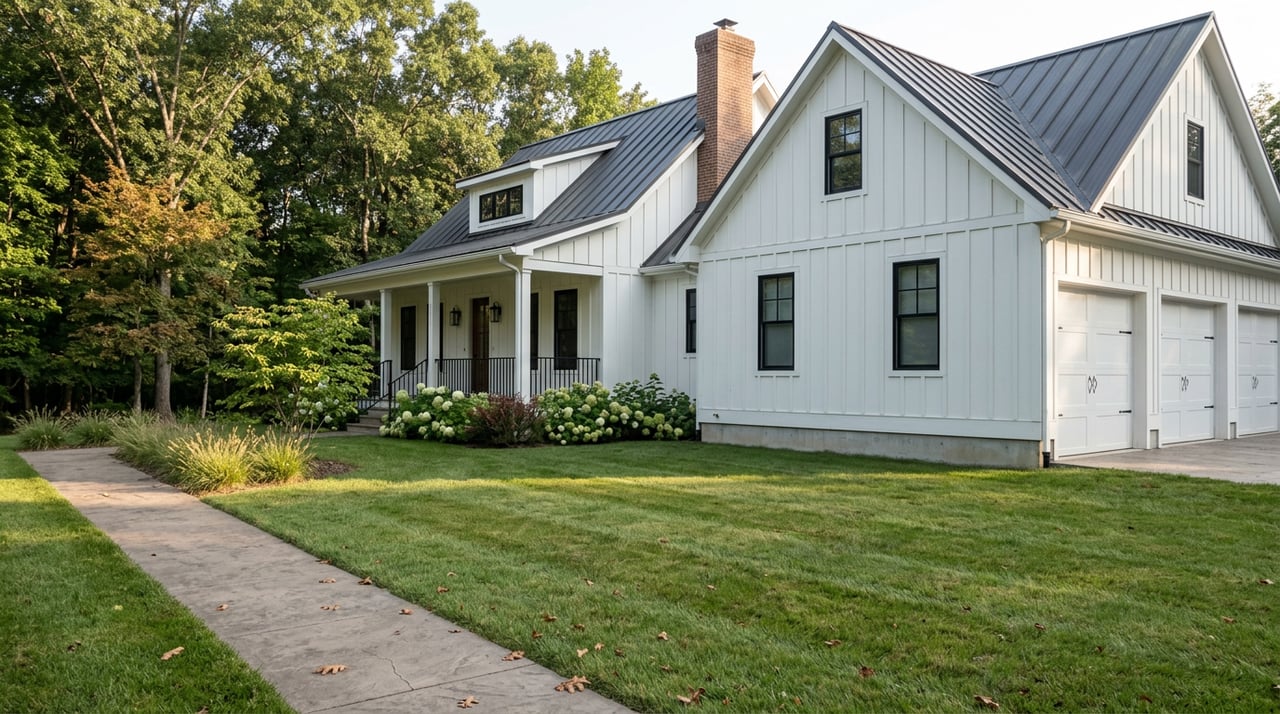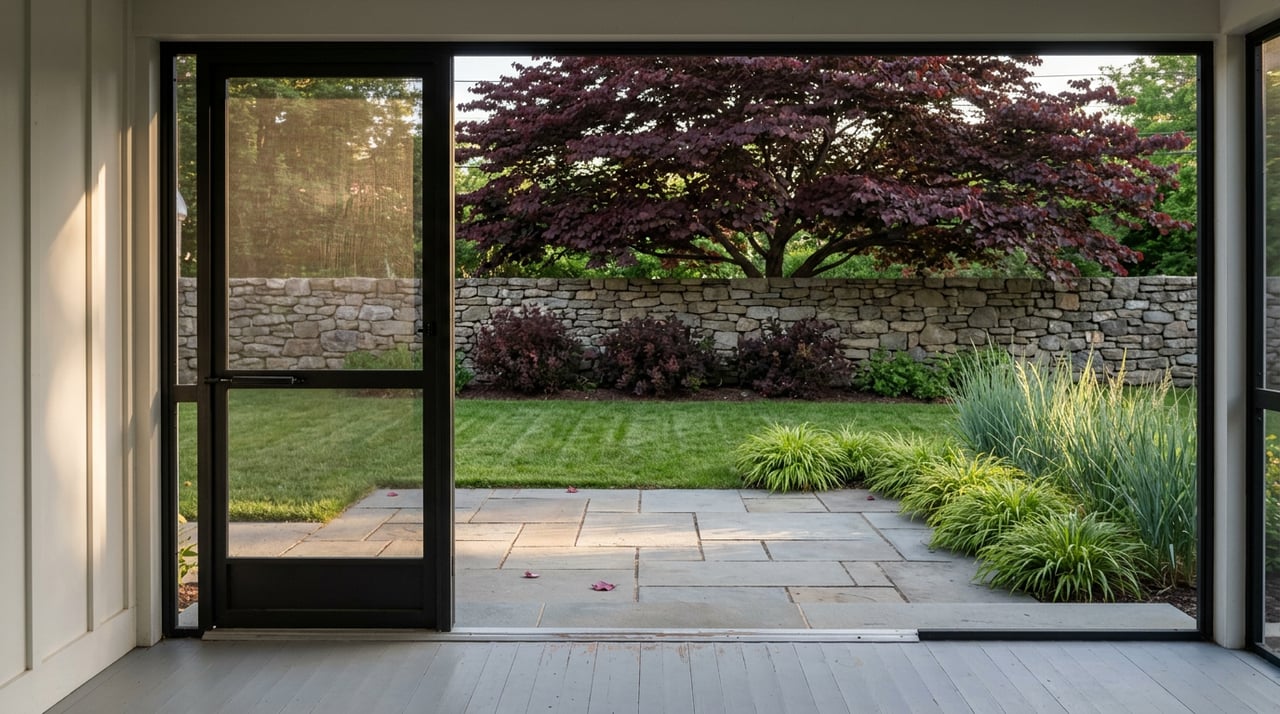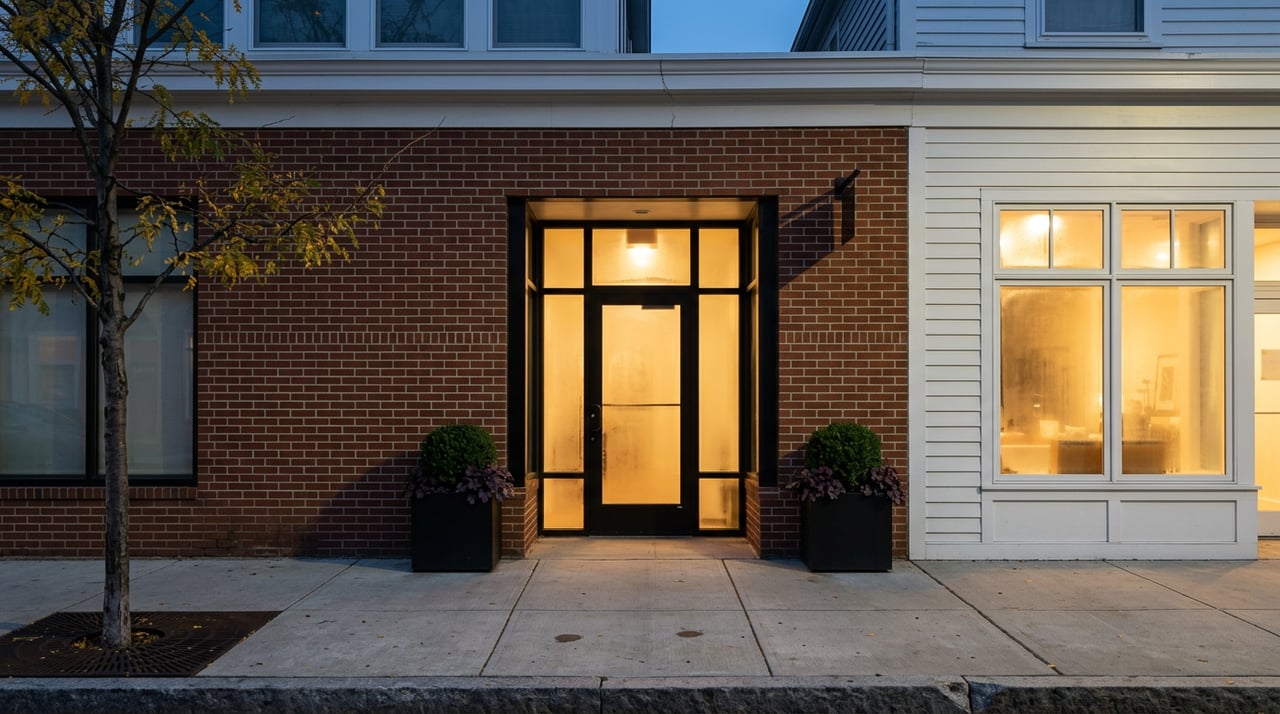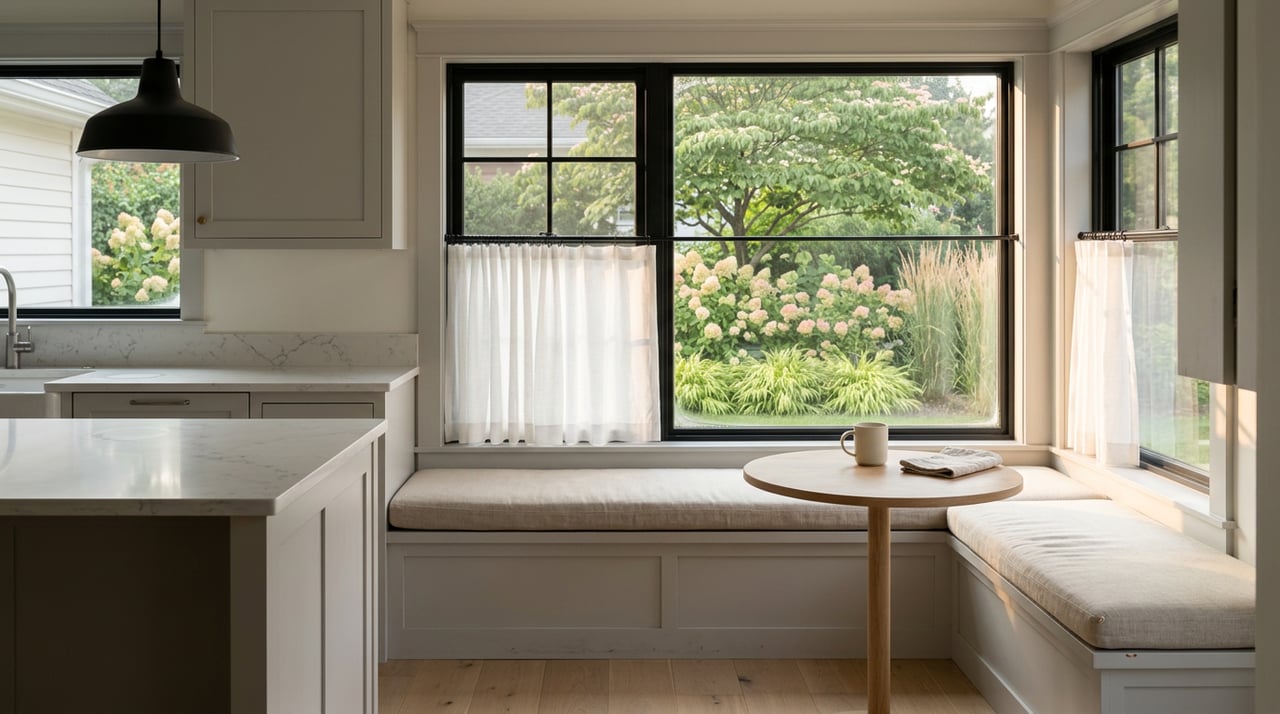
If you are selling a newer home in Wellesley, "newer" alone is not the selling point it once was. Today’s buyers are looking closely at condition, layout, finish quality, and the paper trail behind the work. In a high-end market where buyers can compare more options, the homes that feel complete, easy to understand, and low-risk tend to stand out. Let’s dive in.
Wellesley buyers are selective
Wellesley remains a premium market, but it is not a market where every home gets the same response. Recent public market data shows mixed signals depending on the source and timeframe, which points to one clear takeaway: buyers are active, but they are selective.
That matters if you are selling a newer home. Buyers may still pay for quality, but they are comparing finishes, layout, and overall presentation more carefully than they did in tighter market conditions. In this environment, a strong launch and a well-prepared listing can make a real difference.
Move-in-ready matters most
The clearest theme in current buyer research is simple: people want homes that feel move-in ready. Buyers are often more willing to compromise on size or location than on whether a home feels finished, polished, and easy to live in from day one.
For a newer home in Wellesley, that means buyers expect more than recent construction dates or updated surfaces. They want a home that feels complete, with quality finishes, well-maintained systems, and no obvious loose ends. If anything looks unfinished, inconsistent, or poorly documented, buyers may start to question the rest.
Layouts need to feel useful
A newer home still benefits from open flow, but buyers are not always chasing the biggest, most open layout possible. Current trend data points to growing interest in spaces with clear purpose, such as dedicated home offices, functional mudrooms, flexible lower levels, and rooms that feel comfortable rather than oversized.
In Wellesley, that can be especially important because buyers at higher price points often expect a layout that supports daily life, not just entertaining. A family room should feel inviting. A home office should work as a real workspace. A finished lower level should feel usable and intentional, not like extra square footage added for the listing sheet.
Spaces buyers notice first
When buyers walk through a newer home, a few areas tend to carry the most weight:
- Kitchen quality and function
- Primary suite and en-suite bath
- Dedicated office space
- Mudroom and storage
- Garage access and convenience
- Finished lower-level space
- Outdoor living areas
These spaces matter because they shape how the home lives every day. In many cases, buyers respond more strongly to a smart, functional layout than to raw size alone.
Kitchens and baths still set the tone
Kitchens and baths remain two of the most influential parts of the home, but buyer expectations have evolved. The goal is not just to look expensive. The goal is to feel durable, calm, and well thought out.
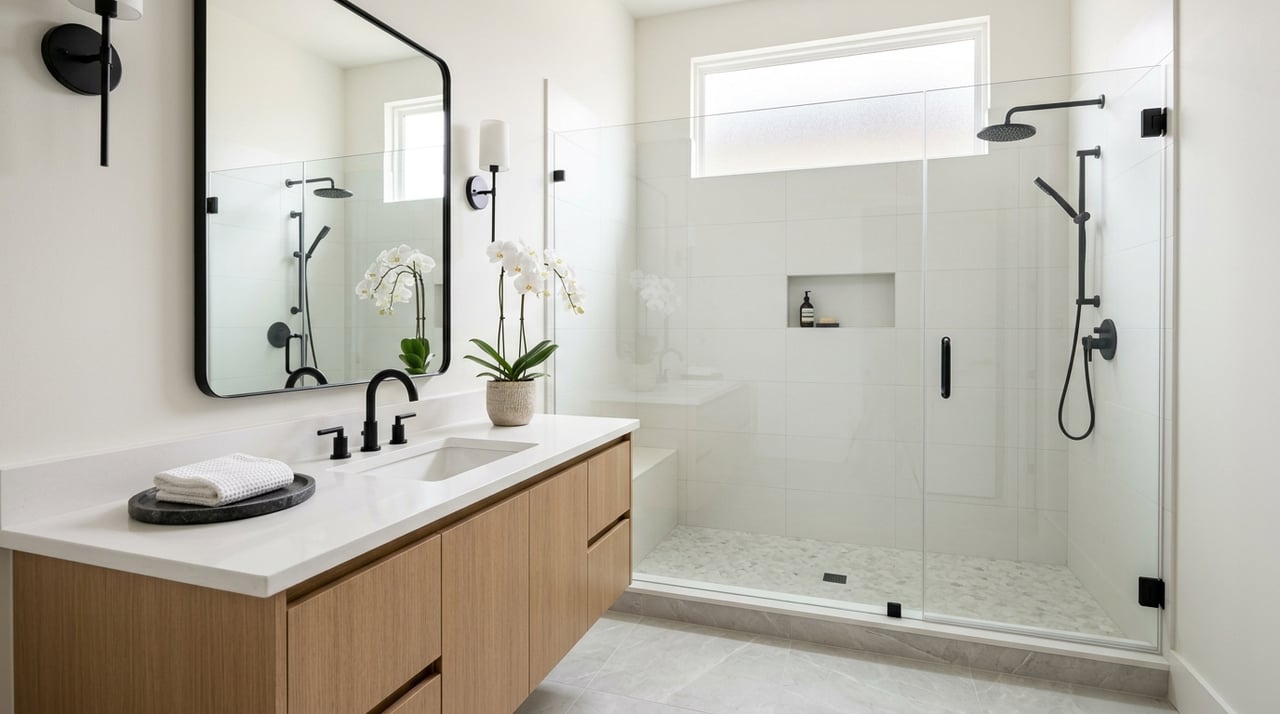
Recent design trend research points to interest in features like upscale shower design, radiant heated floors, daylighting, butler pantries, and higher-quality, livable finishes. Zillow’s 2026 research also found that homes highlighting quartzite countertops, gourmet kitchens, and custom finishes were associated with price premiums.
For sellers, the lesson is practical. If your kitchen or baths are a strength, present them as polished and functional, not flashy. Buyers are often responding to the quality of execution, storage, materials, and overall finish more than a long list of luxury buzzwords.
Efficiency and systems are part of the story
In a newer Wellesley home, buyers are not only looking at what they can see. They are also paying attention to how the home performs. Energy-efficient features, updated systems, and comfort-focused improvements have become more important in current buyer research.
Features like insulation, efficient HVAC, EV charging, solar-related upgrades, and well-explained green features can support buyer confidence. In Wellesley, that conversation also fits the local code environment. The town adopted the Massachusetts Stretch Energy Code in 2011, and that helps explain why buyers may be especially alert to energy performance and the quality of permitted work.
What to highlight if documented
If your home includes recent or newer components, buyers may respond well to clear information on:
- Roof age
- HVAC systems
- Windows
- Insulation improvements
- Kitchen and bath renovations
- Energy-efficient features
- EV charging capability
- Solar or battery-related systems
The key word is documented. It is better to clearly explain a smaller number of verified upgrades than to make broad claims that are hard to support.
Documentation builds trust
For a newer or recently renovated home, paperwork can be just as important as presentation. Buyers want confidence that the work was done legally, completed properly, and reflected accurately in the property record.
In Wellesley, that matters for a practical reason. The town’s Building Department notes that most construction activity requires permits, and the local property inspection and assessor process also reflects changes tied to construction, additions, finished basements, and remodeling. If your home has been improved, buyers will want that story to be clear and consistent.
Gather these items before listing
A strong pre-list package may include:
- Building permit history
- Final inspection sign-offs
- Records for additions or remodels
- Scope of work summaries
- Receipts or contractor records for major systems
- Any available energy-feature documentation
- Property record details that match the current home
This step helps reduce friction during due diligence. It also helps your agent explain the home with confidence and answer buyer questions quickly.
Newer does not mean no prep
One of the biggest mistakes sellers make is assuming a newer home can go to market with very little preparation. In reality, newer homes often need just as much strategy because buyers at this level notice the details.
Think of the listing as a premium product launch. The home should look clean, cohesive, and intentional both in person and online. That includes small repairs, decluttering, touch-ups, styling, and a digital presentation that helps buyers understand the layout and condition before they step through the door.
Focus on launch quality
Before your home goes live, pay attention to:
- Paint touch-ups and minor repairs
- Deep cleaning
- Decluttering and edited styling
- Clear room purpose in each space
- High-quality photography
- Floor plan clarity
- A marketing story built around quality, function, and documentation
For newer homes, this kind of prep supports the message buyers want to hear: this home is complete, well cared for, and easy to trust.
Pricing should match the buyer mindset
In Wellesley, pricing a newer home is not just about calling it turnkey and aiming high. Buyers are still willing to pay for quality, but they are also comparing inventory carefully. If the home is priced as though every buyer will overlook layout quirks, unfinished details, or weaker documentation, the market may push back.
That is why launch pricing should reflect both strengths and buyer expectations. A newer home with a strong layout, polished condition, and complete records may command much stronger interest than a similar home that feels less finished or less transparent.
A builder-informed approach can help
This is where a builder-informed real estate strategy can add real value. When a home is newer, expanded, or significantly renovated, buyers often have questions that go beyond staging and square footage. They want to know what was actually improved, how meaningful the work was, and whether the quality matches the price.
An agent with construction literacy can help translate that story. They can separate cosmetic updates from substantive improvements, flag what buyers are likely to care about, and position the property as a lower-risk purchase. In a market like Wellesley, that clarity can help buyers feel more comfortable making a strong decision.
What sellers should remember
If you are selling a newer home in Wellesley, your advantage is not just age. Your advantage is how well the home meets current buyer expectations. That usually comes down to four things: move-in-ready condition, functional layout, quality finishes, and clean documentation.
When those elements come together, buyers tend to see more than a newer house. They see a home that feels easier to own, easier to understand, and easier to say yes to.
If you are preparing to sell a newer or recently updated home in Wellesley, Barber Real Estate brings a builder-informed lens to pricing, preparation, and presentation so you can go to market with more clarity and less guesswork.
FAQs
What do buyers expect in a newer Wellesley home?
- Buyers tend to expect move-in-ready condition, functional layout, quality kitchens and baths, useful storage, a garage, and clear documentation for recent work or upgrades.
What rooms matter most when selling a newer home in Wellesley?
- Kitchens, primary suites, baths, home offices, mudrooms, finished lower levels, garages, and outdoor living spaces tend to get the most buyer attention.
What documents should sellers gather before listing a newer Wellesley home?
- Sellers should gather permits, final inspections, remodel records, major system information, and any documentation that helps confirm the work was completed legally and accurately.
Does energy efficiency matter to Wellesley home buyers?
- Yes. Current buyer research shows growing interest in energy-efficient and comfort-focused features, and Wellesley’s stretch energy code environment makes buyers more likely to pay attention to performance and permitted work.
How should you price a newer home in Wellesley?
- Pricing should reflect the home’s condition, layout, finish quality, and documentation, while also recognizing that buyers in Wellesley are comparing options carefully rather than responding to age alone.
Why does a builder-informed agent matter when selling a newer home in Wellesley?
- A builder-informed agent can explain the difference between cosmetic and substantive improvements, highlight quality and risk-reduction factors, and help present the home in a way that builds buyer confidence.