If you are trying to move up within MetroWest, Holliston tends to stand out for a simple reason: it offers more breathing room without fully disconnecting you from the broader Boston job market. Many buyers reach a point where they want more space, a longer-term fit, and a town that feels grounded in daily life, not just convenient on a map. Holliston checks many of those boxes in a practical, easy-to-understand way. Let’s dive in.
Holliston offers space and staying power
For many move-up buyers, the goal is not just a bigger house. It is finding a town where your next purchase feels like a long-term move, with a stable homeowner base and a clear sense of place.
Holliston’s 2024 Census estimate is 15,347 residents, and 86.8% of homes are owner-occupied. The town also reports a median household income of $154,684 and a highly educated adult population, with 65.7% of adults holding a bachelor’s degree or higher. Taken together, those numbers point to a well-established owner-occupant market that often appeals to buyers looking for stability.
Holliston keeps a strong local identity
One of Holliston’s biggest draws is that it does not feel interchangeable with every other suburb. Town materials emphasize its 1724 founding, year-round events, volunteerism, and community involvement, which gives the town a distinct New England identity.
That matters when you are moving up because lifestyle often becomes a bigger part of the decision. You may be looking beyond square footage and asking whether a town feels connected, cared for, and built for everyday living. Holliston’s public profile suggests that kind of environment.
Historic character still shapes the town
Holliston also appeals to buyers who like a mix of older charm and preserved character. The town highlights period homes, open space, and historic resources as part of its identity, and local preservation efforts continue to support that character.
The Historical Commission also oversees preservation of historic resources, and town bylaws apply demolition-delay review to significant buildings built before 1950. For buyers, that helps explain why parts of Holliston can feel established and visually consistent rather than rapidly changing all at once.
Daily life centers on outdoor amenities
Move-up buyers often want more than extra bedrooms. They want a town where weekends, after-school hours, and everyday routines feel easier and more enjoyable.
Holliston has several amenities that shape that experience. The town’s Rail Trail is part of the Upper Charles River Trail and the East Coast Greenway, and local materials describe it as a 6.7-mile linear park used by tens of thousands of walkers and bikers each year.
That is a meaningful quality-of-life feature. It supports recreation and even some commuting, but it also gives residents a visible, active outdoor resource woven into town life.
Community gathering spots add value
Beyond the Rail Trail, Holliston highlights places and programs that support a steady rhythm of local activity. Town materials reference Stoddard Park and Lake Winthrop, summer concerts at Stoddard Park, Pinecrest Golf Club, a weekly farmers market at the Old Mill Building, and Parks & Recreation programming.
For a move-up buyer, those details matter because they speak to how the town functions day to day. Holliston’s appeal is not only that you may get more house. It is also that the town offers places to gather, get outside, and settle into a routine.
Commuting is workable, with tradeoffs
Holliston fits many buyers who want suburban-rural surroundings but still need access to the larger MetroWest and Boston employment picture. Official town materials describe Holliston as a community between Boston and Worcester with access to Interstate 495 and Routes 16 and 126.
That regional access is part of the draw. If you work in MetroWest or need flexibility across the broader market, Holliston remains within the orbit of those job centers.
Holliston is not a direct MBTA town
This is an important point for buyers to understand clearly. Holliston does not have direct MBTA service within town.
Instead, the town is considered adjacent to commuter rail access in Ashland, and the MetroWest Regional Transit Authority’s Route 6 serves Holliston along Route 126 and includes the Framingham MBTA station. In other words, commuting can work well here, but the model is more driving-and-shuttle oriented than rail-first.
Census data show a mean travel time to work of 34.9 minutes, which supports Holliston’s profile as a commuter town. If your top priority is walking to a station, Holliston may not be the right fit. If you are comfortable with driving to nearby connections, it can be a practical option.
The housing mix feels established, but not frozen
Another reason Holliston appeals to move-up buyers is that its housing story has some depth. The town combines older housing stock, preservation-minded areas, and a market that feels relatively settled.
Census data put the median owner-occupied home value at $620,500, alongside the 86.8% owner-occupied rate. That does not tell you everything about inventory, but it does reinforce that Holliston is largely a homeowner community rather than a transient one.
Older homes can offer character and potential
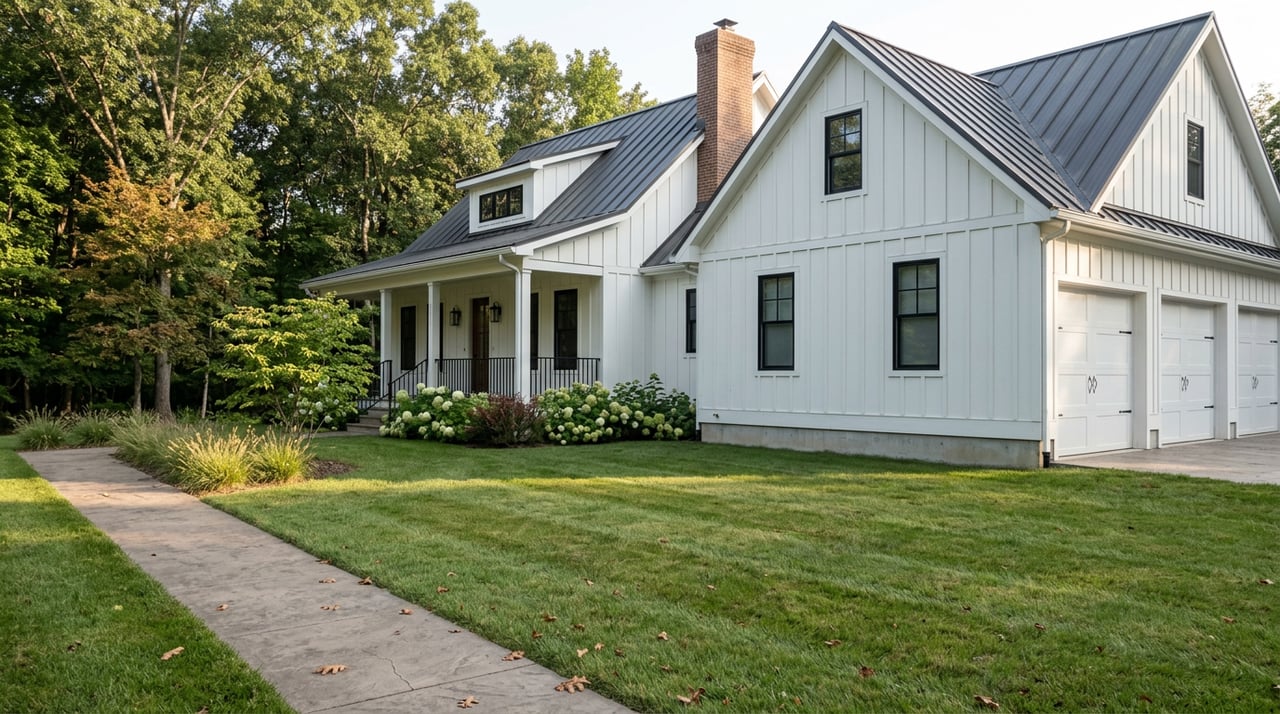
For some move-up buyers, older homes are a plus, especially if they want lot size, architectural character, or the possibility of thoughtful updates over time. Holliston’s historic resources and pre-1950 building review framework suggest that older homes remain an important part of the local housing fabric.
From a practical standpoint, this is where a builder-informed lens can be especially helpful. Character can be a real asset, but so can understanding the likely maintenance, renovation scope, or expansion limits before you buy.
New housing options are also emerging
Holliston is not standing still. A Massachusetts Housing Production Plan for Holliston says the town is working to create and preserve affordable and mixed-income housing and expand housing options over time.
Town-manager materials also note MBTA 3A compliance zoning for two sub-districts, along with a current 40B project in development on the Ashland town line and multi-family opportunities on the Medway line. For buyers, that means the housing mix may gradually become more varied, even as the town keeps its established feel.
The school structure is easy to understand
For buyers planning a longer move, simplicity matters. Holliston Public Schools says the district serves about 2,900 students across four schools: Sam Placentino Elementary for PK-2, Fred Miller Elementary for grades 3-5, Robert Adams Middle School for grades 6-8, and Holliston High School for grades 9-12.
That straightforward PK-12 path can be appealing if you are trying to picture how a move works over time. It gives buyers a clear framework for understanding the town’s public school structure without having to sort through a more complex district setup.
Why move-up buyers keep Holliston on the list
When you step back, Holliston’s appeal is easy to see. It offers a strong homeowner profile, visible local character, outdoor amenities that support daily life, and commuting options that work well for buyers comfortable with a car-and-shuttle routine.
It also offers a housing story with some range. You may find established homes with character, or opportunities tied to newer and evolving housing options. For move-up buyers in MetroWest, that combination can make Holliston feel like a practical next chapter rather than just a bigger address.
If you are weighing Holliston against other MetroWest towns, the key is to look past the headline and focus on fit. Your commute style, your space needs, your comfort with older homes versus newer options, and your long-term plans all matter. If you want grounded advice with a builder-informed perspective, schedule a free consultation with Barber Real Estate.
FAQs
Why does Holliston appeal to MetroWest move-up buyers?
- Holliston appeals to many move-up buyers because it combines more space, a strong owner-occupied housing profile, established neighborhood character, outdoor amenities, and workable regional commuting access.
What is the commute setup like in Holliston, MA?
- Holliston has access to Interstate 495 and Routes 16 and 126, but it does not have direct MBTA service in town, so many commuters rely on driving and nearby rail access such as Ashland or Framingham connections.
What kinds of homes can buyers find in Holliston?
- Holliston offers a mix of established housing, including older homes that contribute to the town’s historic character, while also planning for more varied housing options over time.
Does Holliston, MA have community amenities for daily life?
- Yes, town materials highlight the Rail Trail, Stoddard Park, Lake Winthrop, summer concerts, a weekly farmers market, Pinecrest Golf Club, and Parks & Recreation programming.
How is the public school structure organized in Holliston?
- Holliston Public Schools serves about 2,900 students across four schools, with a clear grade progression from elementary through high school.
Is Holliston a good fit if you want direct train access?
- Holliston may be less ideal for buyers seeking a rail-first lifestyle because there is no direct MBTA station in town, though nearby commuter rail access is available in surrounding communities.