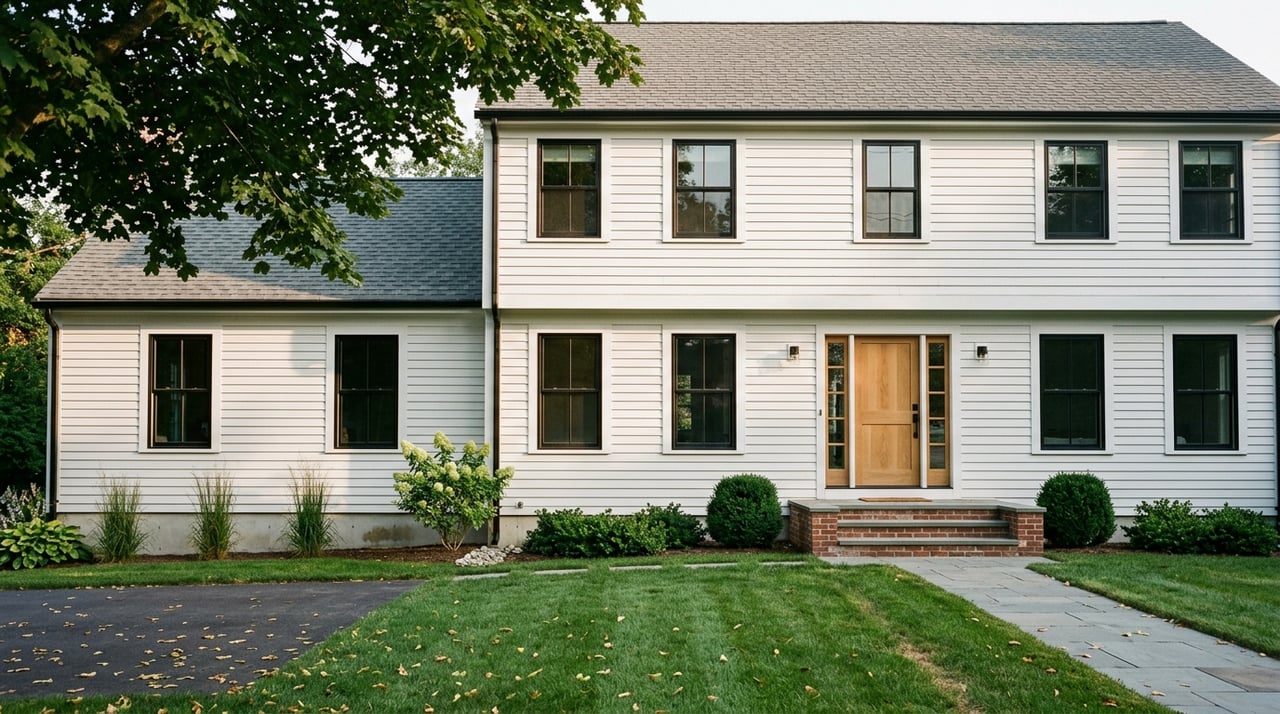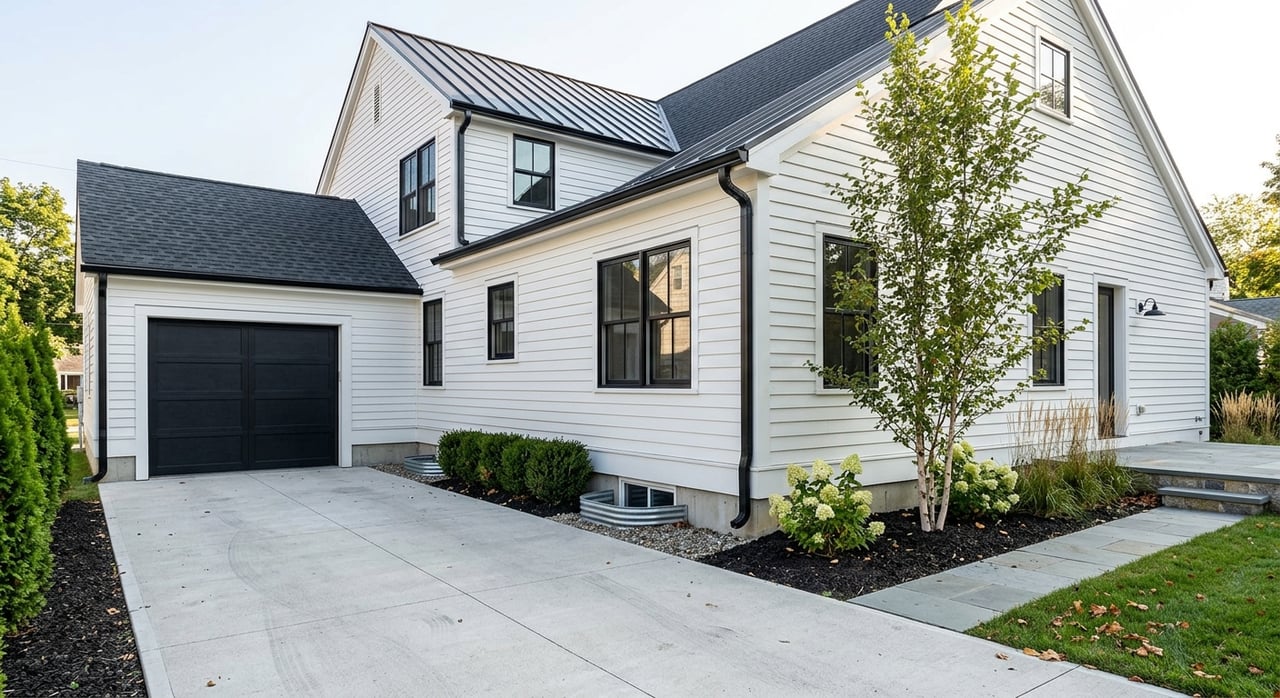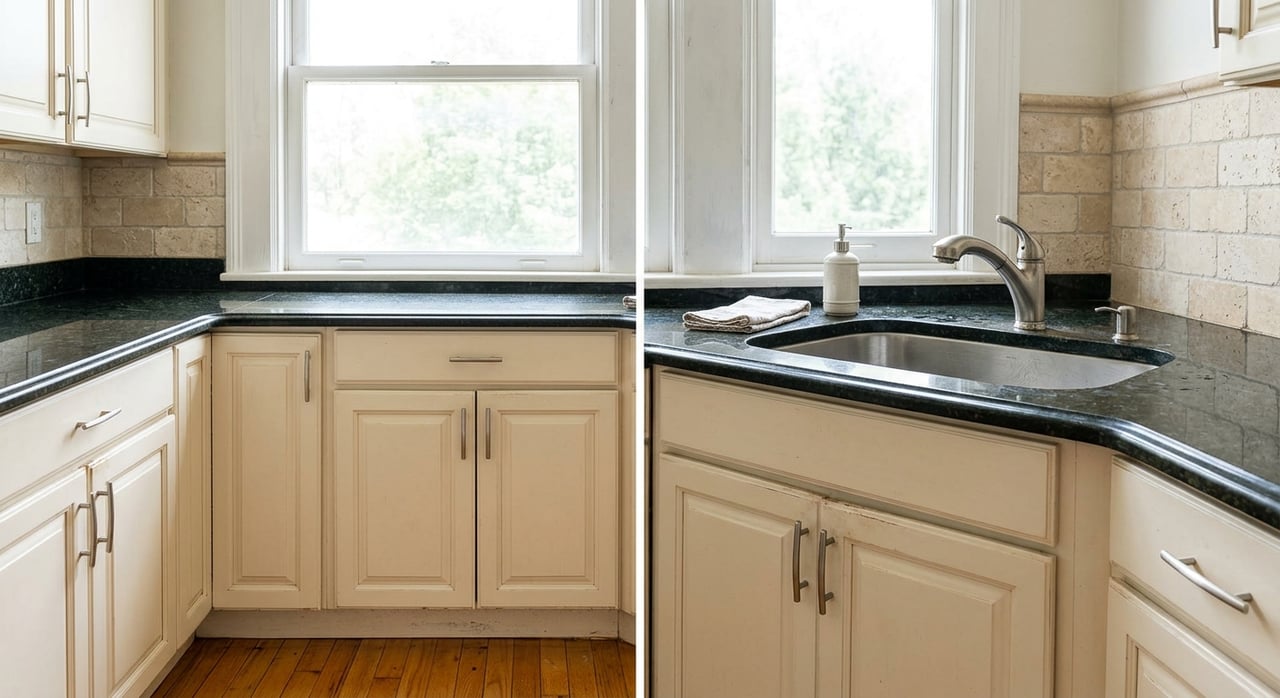
Wondering whether you should renovate your older Wellesley home before listing it, or simply sell it as-is? That question matters even more in a market where buyers move quickly, prices are high, and first impressions can shape both interest and negotiating power. If you are weighing cost, timing, and risk, this guide will help you sort out what is worth fixing, what may be better left alone, and how to make a smart plan before you go to market. Let’s dive in.
Why This Decision Matters in Wellesley
Wellesley is a strong, fast-moving market, but that does not mean every older home should be updated the same way. Recent 2026 market snapshots from Redfin, Zillow, and Realtor.com differ in methodology, yet all point to the same trend: high values, quick buyer response, and strong demand.
That creates opportunity, but it also raises the stakes. In a market like Wellesley, buyers may act fast, yet they still notice condition, deferred maintenance, and the amount of work a home seems to require. For older homes, your goal is usually not to make the property feel brand new. It is to reduce buyer uncertainty.
Start With the Home’s Real Condition
Before you decide on updates, take an honest look at the house as it stands today. Older homes often carry charm, original details, and strong location appeal, but they can also have aging systems or visible wear that buyers will factor into their offers.
Massachusetts home inspection guidance is helpful here. Inspectors evaluate visible and accessible components such as roofing, exterior finishes, structure, electrical, plumbing, heating, cooling, masonry, and interior components. Since buyers in Massachusetts retain the right to obtain an inspection, issues in these categories deserve your attention first.
Fix Functional Problems First
If your home has roof leaks, water intrusion, heating or cooling issues, electrical concerns, plumbing problems, or foundation-related signs, those items usually rise to the top. These are the issues most likely to affect a buyer’s comfort level because they suggest real cost, future disruption, or both.
A repair does not have to be glamorous to matter. In many cases, fixing a visible functional problem does more for marketability than spending the same money on a style-driven upgrade. Buyers often react strongly to anything that looks like a major unknown.
Consider a Pre-Listing Inspection
A pre-listing inspection or contractor walk-through can help you separate true problems from items that simply look dated. That can be especially valuable in an older Wellesley home where not every aged feature is a defect.
Massachusetts also notes that inspections are based on what is visible on the inspection date. That means repairs that remove obvious red flags often carry more weight than hidden improvements a buyer may never notice during showings.
When Updating Makes Sense
Updating usually makes the most sense when the work is contained, visible, and likely to improve a buyer’s confidence. In other words, if a repair or refresh lowers friction, it may be worth doing.
This is where a practical seller strategy beats a broad renovation plan. You do not need to remodel every room to make an older home more appealing.
Focus on High-Impact Improvements
The best pre-listing updates are often the simplest ones. These are the projects that make the home feel cared for and easier to move into without creating major expense or delay.
Consider improvements like:
- repairing leaks or moisture-related issues
- addressing outdated or non-working lighting
- repainting tired or heavily personalized walls
- fixing small but noticeable defects like dripping faucets or creaky doors
- refreshing main living areas so they feel clean, bright, and finished
- replacing a roof if it is clearly at the end of its life
According to NAR research cited in the report, staging helps buyers visualize a future home, and the rooms staged most often are the living room, primary bedroom, and dining room. That supports a selective approach focused on presentation rather than a full interior overhaul.
Cosmetic Updates Work Best When They Reduce Buyer Effort
Not all cosmetic work pays off equally. In older homes, cosmetic updates tend to work best when they make the property feel easier to live in right away.
Fresh paint, decluttering, lighting updates, deep cleaning, and thoughtful staging can help buyers focus on the home itself instead of the work ahead. Even minor defects can add up in a buyer’s mind, so simple fixes often go further than sellers expect.
When Selling As-Is May Be Smarter
Sometimes the best move is not to renovate at all. If the home needs extensive work, or if the likely buyer is more interested in renovation, expansion, or redevelopment potential, selling as-is may be the more practical path.
In Wellesley, that can be especially relevant because some older properties are evaluated not just as homes, but also as land opportunities. The town’s preservation history and Neighborhood Conservation District framework reflect the reality that older parcels can carry value beyond current finishes.
As-Is Can Be the Right Fit If:
- the needed work is mostly taste-based rather than functional
- updates would require a major systems or layout renovation
- you do not want to manage contractors, timelines, or pre-listing disruption
- the property may attract buyers planning a larger renovation or rebuild
- you prefer to price the home accordingly instead of spending money the market may not fully reward
Selling as-is does not mean ignoring the home’s condition. It means choosing transparency and pricing strategy over pre-sale construction.
Older Wellesley Homes Need a Local Lens
In Wellesley, older homes are part of the town’s character. The town’s preservation materials point to a strong historic identity, including historic districts and other preservation tools that can affect how certain properties are reviewed.
That matters if you are thinking about exterior work before listing. Some exterior changes in historic districts may require local review, while interior changes do not require Historic District Commission review.
Check for Historic District Rules
If your home is in a historic district, exterior architectural changes may require one of several local approvals, such as a certificate of appropriateness, a certificate of non-applicability, or a certificate of hardship. That can affect your timeline if you are planning to replace windows, alter trim, modify siding, or make other visible exterior changes.
Even outside a historic district, Wellesley’s preservation guidelines are intended to help owners of older residences. If you are unsure whether an exterior update is straightforward, it is smart to confirm that before starting work.
Do Not Overlook Lead Paint Rules
If your home was built before 1978, lead paint rules should be part of your planning process. In Massachusetts, sellers and agents must provide property-transfer lead-paint notification before a purchase and sale agreement is signed.
This also matters for pre-listing updates. If planned work disturbs painted surfaces beyond the regulated threshold, lead-safe renovation rules may apply. Before you start scraping, sanding, or replacing older painted windows or trim, make sure you understand the home’s lead status.
What Massachusetts Sellers Still Need to Disclose
Massachusetts is not a full disclosure state for a typical owner-occupant seller, except for lead paint requirements. However, known material facts still matter.
According to Mass.gov, brokers must disclose known material facts that could affect a buyer’s decision. Examples include roofing problems, wet basements, zoning violations, underground oil tanks, and structural issues. If you decide to sell as-is, honest pricing and clear disclosure remain essential.
A Simple Framework for Your Decision
If you are stuck between updating and selling as-is, use this basic framework.
Update Before Listing If:
- the issue will likely come up in an inspection
- the problem affects daily use or first impressions
- the fix is visible and reasonably contained
- the work will reduce buyer uncertainty
- any needed exterior approvals can be handled on your timeline
Sell As-Is If:
- the work is large, expensive, or mostly preference-driven
- the home may appeal to buyers who want to renovate or rebuild
- you want to avoid managing repairs and disruption
- you are ready to price the property realistically based on condition
The Best Investment Often Reduces Uncertainty
For many older homes in Wellesley, the smartest pre-listing spend is not the one that makes the home look newest. It is the one that answers the biggest buyer questions before they become objections.
That is why the strongest strategy is often a builder-informed one: fix what creates risk, refresh what shapes first impressions, and avoid over-improving where the next owner may have a very different plan. In a market this active, clear decision-making can save time, protect value, and lead to a smoother sale.
If you are deciding how to position an older Wellesley property, a local strategy matters. The team at Barber Real Estate brings a practical, builder-informed perspective to pricing, pre-listing decisions, and properties with renovation or land potential. Schedule a free consultation to talk through your options.
FAQs
Should I renovate an older home before selling in Wellesley?
- It depends on the condition of the home. Functional issues like roof, moisture, HVAC, plumbing, or electrical concerns are usually more important to address than purely style-based updates.
Can I sell an older Wellesley home as-is?
- Yes. Selling as-is can make sense if the home needs major work, if updates are mostly cosmetic or preference-driven, or if the property may appeal to a renovation or redevelopment buyer.
What repairs matter most before listing a Wellesley home?
- The most important repairs are typically visible functional issues that may come up during a buyer inspection, such as leaks, water intrusion, structural concerns, plumbing failures, electrical issues, or aging roofing.
Do historic district rules affect updates to older homes in Wellesley?
- Yes. Exterior changes to homes in a historic district may require local review, while interior renovations do not require Historic District Commission review.
Do Massachusetts lead paint rules apply before selling an older home?
- If the home was built before 1978, lead paint notification is required before a purchase and sale agreement is signed, and lead-safe renovation rules may apply if pre-listing work disturbs painted surfaces.
Is a pre-listing inspection worth it for an older home in Wellesley?
- A pre-listing inspection or contractor walk-through can help you identify visible issues, prioritize repairs, and decide what should be fixed, disclosed, or priced into the home before listing.