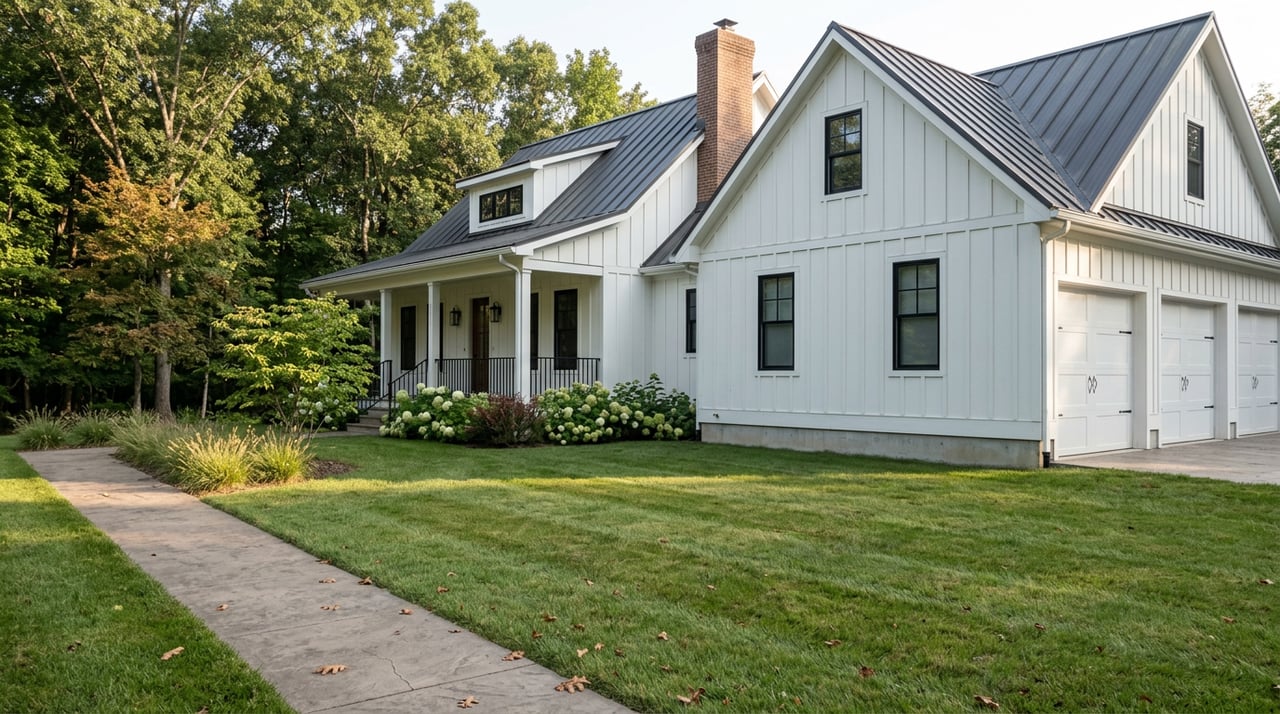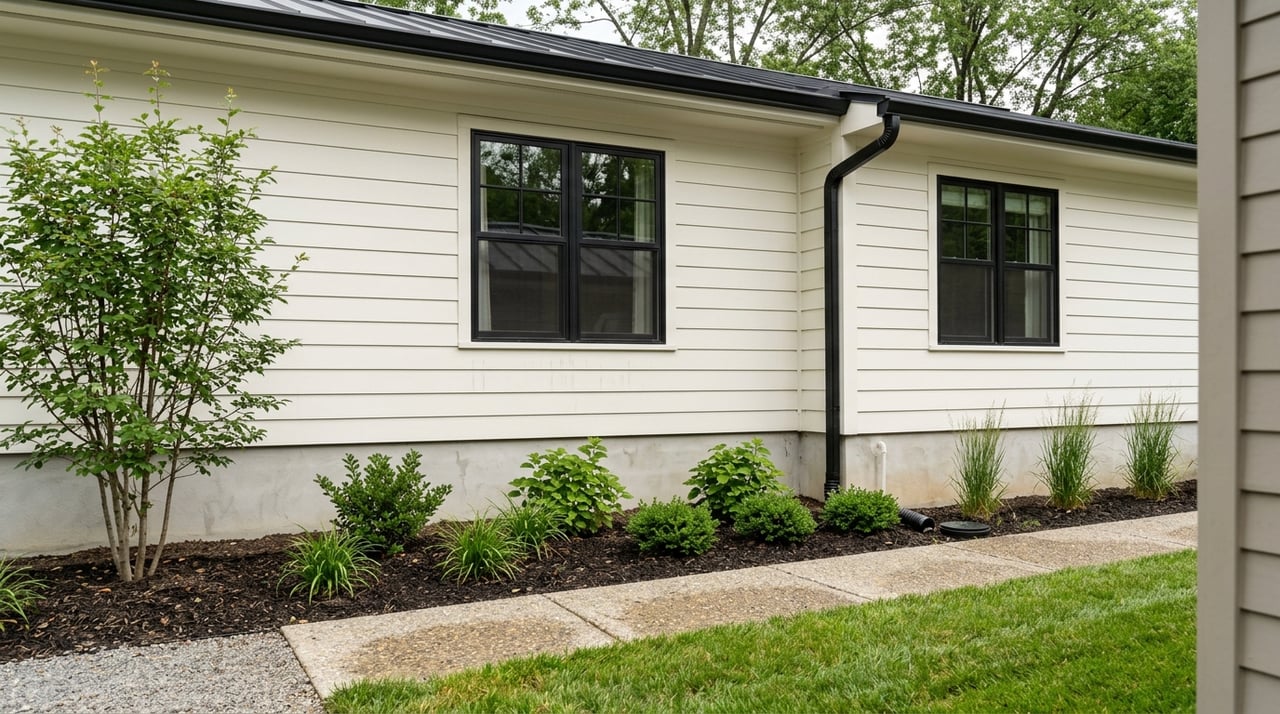
Thinking about buying a new construction home or vacant lot in Natick? The exciting part is easy to picture. The harder part is knowing whether a lot is truly buildable, whether a builder’s pricing is realistic, and where permit or site issues could create delays. If you want to make a smart decision with fewer surprises, it helps to evaluate the land and the builder in the right order. Let’s dive in.
Start With The Lot, Not The Floor Plan
One of the biggest mistakes buyers make is falling in love with a house design before confirming the lot can actually support it. In Natick, buildability is highly lot-specific because zoning rules vary by district.
According to Natick’s Zoning Bylaws, residential districts have different minimum standards for lot area, frontage, setbacks, height, and open space. For example, the bylaw includes districts such as RSA with a 15,000-square-foot minimum lot area and 110 feet of frontage, RSC with 20,000 square feet and 120 feet of frontage, RG with 12,000 square feet and 100 feet of frontage, and RSB with 40,000 square feet and 140 feet of frontage.
That means two lots on the same street may not offer the same design flexibility. Before you rely on a builder’s sketch or verbal opinion, you want to verify the parcel’s zoning district and compare the lot’s dimensions to the actual bylaw requirements.
Why Zoning Fit Matters Early
A lot may look large enough on paper but still be difficult to build on. Frontage, setbacks, lot shape, grading, and placement of the driveway or garage can all affect whether your preferred plan fits.
Natick also defines an as-of-right project as one that can move forward without a special permit, variance, zoning amendment, waiver, or other discretionary zoning approval. That distinction matters because an as-of-right project is generally more straightforward than one that needs additional approvals.
When A Tight Lot Gets Riskier
If a lot is narrow, irregularly shaped, or constrained by site features, a variance may come into the conversation. Under Natick’s zoning framework, a variance is not simply granted because a buyer wants a larger home. The standard turns on conditions affecting that specific parcel and requires proof of hardship, along with a finding that relief would not cause substantial detriment to the public good.
For buyers, that means you should treat a variance-dependent plan as a higher-risk path. It may still work, but it deserves careful review before you move forward.
Check Wetlands, Drainage, And Flood Risk
Lot size is only part of the story. Site constraints can reduce where you can build, how you manage runoff, and how much engineering may be required.
Natick’s wetland permitting guidance says the Conservation Commission reviews activity within 100 feet of Wetland Resource Areas and 200 feet of perennial streams. The local bylaw also establishes a 25-foot no-disturbance zone and a 40-foot no-build zone around wetland resource areas.
If part of the parcel falls within one of these areas, your buildable envelope may be much smaller than the full lot size suggests. This is one reason a site plan should be reviewed carefully before you assume a home, driveway, grading plan, and drainage system will fit comfortably.
Stormwater Rules Can Affect Cost
Natick’s stormwater rules also matter for new construction. The town requires stormwater management for any new or fully reconstructed single-family home, as well as projects that disturb 3,000 square feet or more of land or move 250 cubic yards or more of soil.
The town notes that engineered plans and stormwater calculations are submitted with the building permit application. In practical terms, that means drainage design is not an afterthought. It can influence engineering scope, site work, timeline, and budget.
Flood Maps Still Matter
Even if a lot does not appear close to a major waterway, flood risk should still be reviewed. FEMA’s Flood Map Service Center explains that flood maps show how likely an area is to flood and that flood risk is not limited to the most obvious locations.
This is a simple diligence step that can help you avoid costly surprises. It is especially important before you commit to a lot or finalize your budget.
Confirm Sewer, Septic, And Utility Access
Utility questions can have a major impact on both cost and feasibility. A lot that looks attractive at first glance may require more coordination than expected.
If a parcel is not connected to sewer, Massachusetts Title 5 septic guidance becomes an important part of your review. MassDEP advises buyers to inspect septic systems when buying or selling property and to understand new system design requirements before closing on a non-sewered parcel.
Access Can Be More Complicated Than It Looks
Driveway access and utility work can also add complexity. Natick’s permitting information states that contractors performing work in the town right-of-way, driveways, and water, sewer, or drain work on private property connected to town-owned utility lines must be licensed in the town to obtain permits and perform the work.
For you as a buyer, this matters because access is not just a design question. It can also affect contractor coordination, permitting, and schedule planning.
Evaluate The Builder With Paperwork, Not Promises
Once the lot checks out, the next step is comparing builders or spec-home offerings. This is where a practical review can protect you from vague pricing, unrealistic timelines, and avoidable contract problems.
Massachusetts distinguishes between a Construction Supervisor License and a Home Improvement Contractor registration. The state’s Construction Supervisor Licensing resources allow the public to verify credentials, and buyers should confirm which credentials apply to the scope of work rather than assuming one license covers everything.
Ask For Written Details
Massachusetts consumer guidance on avoiding contractor scams recommends interviewing multiple contractors, requesting a written detailed estimate, checking references, and asking for proof of liability insurance and workers’ compensation insurance where applicable.
The same guidance also notes that written contracts are required for HIC-covered jobs over $1,000. It warns homeowners not to rush into decisions or agree to large upfront payments.
That is a useful baseline when you compare builders in Natick. A strong builder should be willing to explain the scope clearly, document pricing, and answer questions about allowances, change orders, and responsibility for permits.
Process Matters In Natick
Builder quality is not just about finishes or photos of past homes. In Natick, competence also shows up in how well a builder understands local permitting, inspections, and approval paths.
Natick’s Building Department says it uses online-only permit applications, follows the 2021 Stretch Code, and requires approval from all departments for new homes. The town also warns that work started before permit approval can be charged triple the original permit fee.
Natick further notes that building permits are issued before construction begins, periodic inspections are required, and a Certificate of Occupancy is needed before occupancy. Those are not minor details. They are part of the real timeline.
Ask Natick-Specific Builder Questions
A builder may be experienced in one town but less familiar with Natick’s local review process. That is why your questions should be specific to the town, not just general construction questions.
A capable builder should be able to explain how they handle:
- Stretch Code compliance
- Site drainage and stormwater planning
- Wetlands coordination where needed
- Online permit submissions
- Inspection scheduling
- The path if a project needs special permit or site plan review
Natick’s development review framework, described in the town’s business guide, includes feedback from building, conservation, public works, fire, police, and sustainability staff through the Development Review Team. On a more complex parcel, that coordination can be very helpful.
Use A Simple Evaluation Sequence
When buyers evaluate a lot and a builder at the same time, it is easy to mix up design excitement with diligence. A better approach is to work through the decision in a clear order.
A Practical Step-By-Step Framework
- Identify the lot’s zoning district.
- Compare the parcel’s dimensions to Natick’s bylaw requirements for area, frontage, setbacks, and related limits.
- Check for wetlands buffers, flood risk, stormwater triggers, and whether the lot is on sewer or septic.
- Ask whether the project is as-of-right or likely to need a special permit, site plan review, or variance.
- Vet the builder’s licensing, insurance, references, contract terms, and experience with Natick’s process.
- Only then compare pricing, allowances, timeline, and upgrade costs.
This order helps reduce the risk of buying a lot that looks buildable in theory but becomes much more complicated in practice.
Understand What Can Extend The Timeline
If a project needs special permit or site plan review, the process can take longer than many buyers expect. Under Natick’s zoning process, discretionary review may involve pre-application review, public notification, hearings, and a 20-day appeal period before a building permit can be issued.
That does not mean you should avoid every lot with complexity. It does mean you should price the risk and timeline realistically.
Watch For Common Red Flags
Some warning signs are easy to miss when a lot is scarce or a new home looks polished. A careful review can help you separate a solid opportunity from an avoidable problem.
Be cautious if a builder:
- Will not provide CSL or HIC information when relevant
- Will not share references or proof of insurance
- Pressures you to move quickly
- Is vague about permits, site constraints, or inspection steps
- Cannot explain how change orders are priced
- Asks you to pull permits yourself
- Requests full payment up front
Massachusetts consumer protection guidance specifically flags these behaviors as warning signs. In a new construction purchase, clarity matters as much as craftsmanship.
Why A Builder-Informed Advisor Helps
With new construction in Natick, the right question at the right time can save you money, time, and stress. You do not need to be an expert in zoning tables, wetlands buffers, or permitting steps, but you do need a process that keeps the decision grounded in facts.
That is where local guidance can make a real difference. If you are weighing a lot, comparing builders, or trying to understand whether a new construction opportunity makes sense, Barber Real Estate brings a builder-informed lens to the process so you can move forward with more clarity and confidence.
FAQs
What should you check first when evaluating a new construction lot in Natick?
- Start by confirming the lot’s zoning district and whether the parcel meets Natick’s minimum requirements for lot area, frontage, setbacks, and related dimensional rules.
How do wetlands affect new construction in Natick?
- Wetlands can limit where you can build because Natick reviews activity within regulated buffer areas and applies no-disturbance and no-build zones around wetland resource areas.
Does every new construction project in Natick need stormwater review?
- Natick requires stormwater management for any new or fully reconstructed single-family home and for certain projects that exceed land disturbance or soil movement thresholds.
What builder credentials should you verify for a Natick new construction project?
- You should verify the builder’s applicable Construction Supervisor License or Home Improvement Contractor registration, and also ask for proof of insurance, references, and written contract details.
How can you tell if a Natick building project is as-of-right?
- An as-of-right project is one that can proceed without a special permit, variance, zoning amendment, waiver, or other discretionary zoning approval under Natick’s zoning bylaws.
What are common red flags when choosing a builder for a Natick lot or spec home?
- Red flags include pressure to rush, vague answers about permits or site issues, refusal to provide insurance or references, unclear change-order pricing, or requests for full payment up front.